Mother’s Day
A book in which Mum reads about herself.
Flowers are over in a week. A story in which Mum and the children have an adventure together, built from what really happens at home, stays on the shelf. The children tell Mira what they know about Mum; Mira turns it into a story only she can be given.
Personal. Really personal.
What of Mum can go in the story
Children see their mother differently from how anyone else sees her. That is the material.
- what Mum always says, and when
- what makes her happy: the garden, her bike, Sunday mornings
- what you do together that nobody else does
- the song, the joke, the nickname
- brothers, sisters and whoever else belongs
- a dedication from the children on the first page
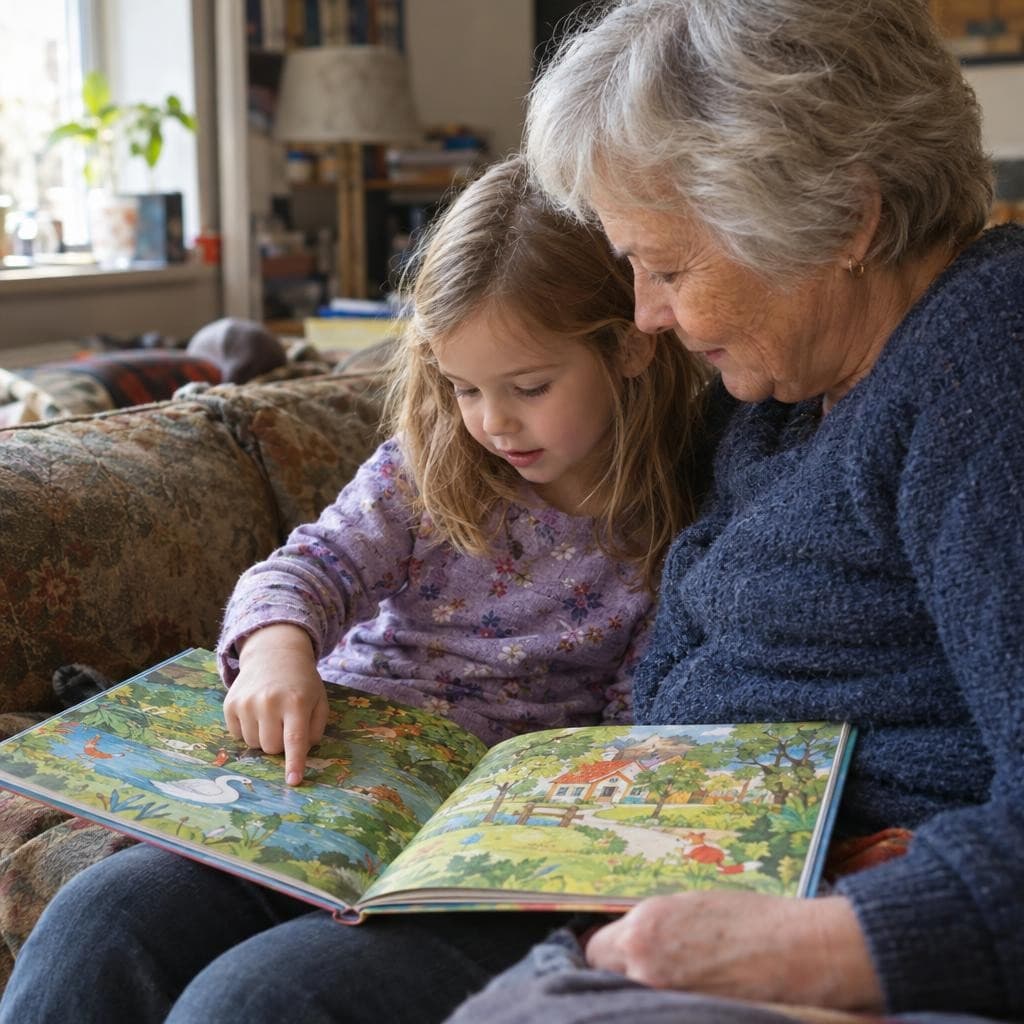
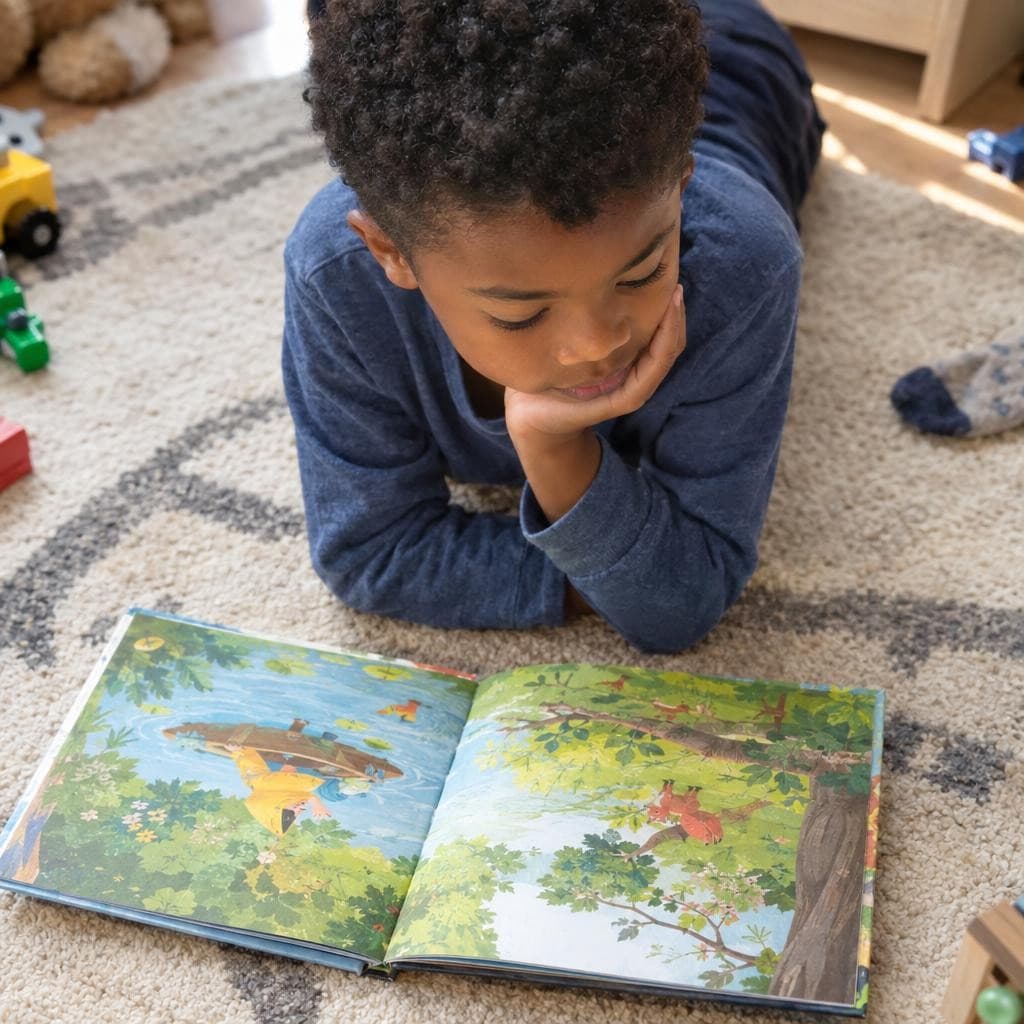
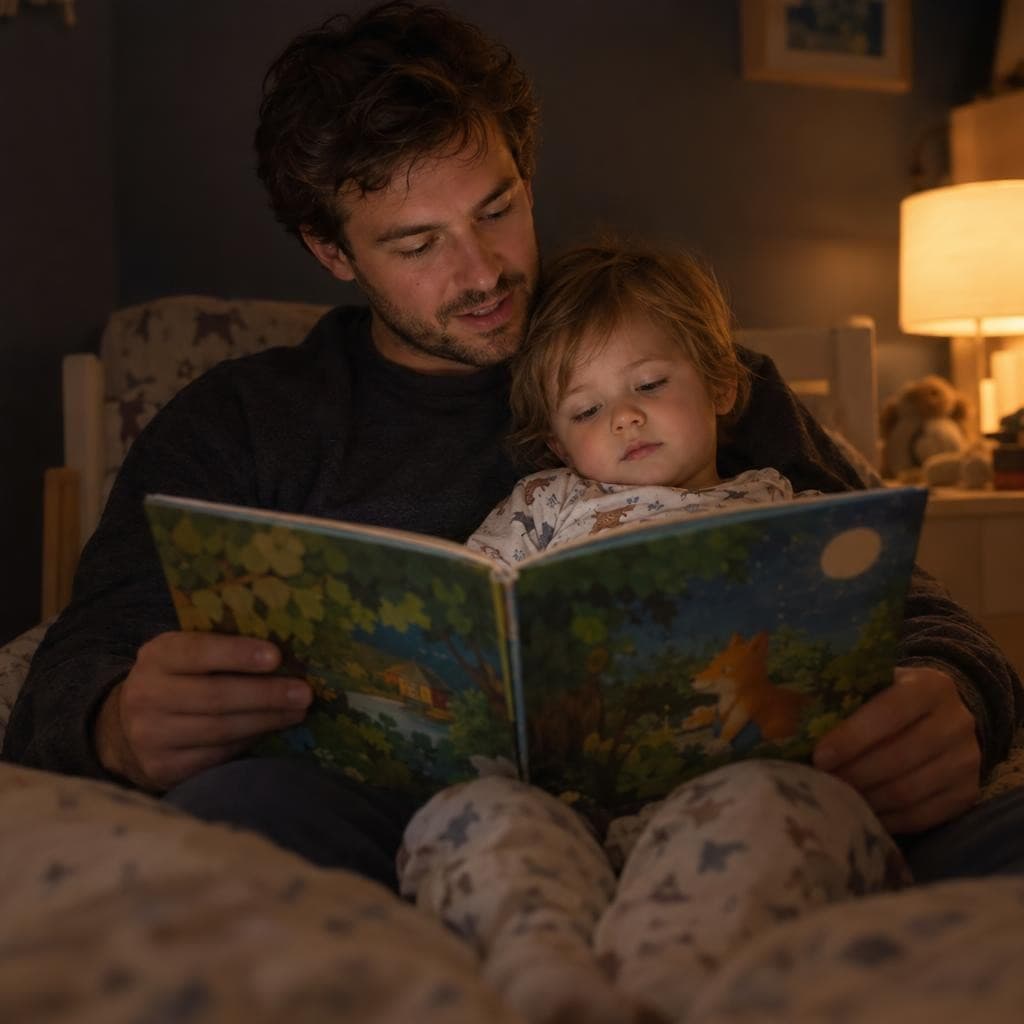
“She turned straight back to the first page to find her gran again.”
Emma · Harrogate
Together with Mira
From your world to your story
Tell Mira
Answer a few questions about someone who matters to you.
Mira listens
Mira asks deeper questions and finds the finest moments.
Mira writes
Mira writes a personal story full of detail, warmth and meaning.
See it first
Read the story at your leisure and say what could be different.
Your approval
Only when you are completely happy is it printed.
Your story
Receive the story in the format of your choice.
Sometimes all you need is a small idea
Three directions Mira can take
The garden that stayed awake one night
Every year Mum says the tulips are late. This year the children ask them a favour.
The breakfast that lost its way
The tray goes up the stairs and never arrives. It takes a detour past everything Mum loves.
Mum was five once too
An old photo in a drawer, and suddenly there is a girl in the hallway who laughs exactly like Mum.
You need not choose. “Let Mira choose” is there too, and your own idea is always welcome.
From your world
What you tell, and what comes out
- Mila, 5
- Mum, Sanne
- little brother Ties
- Mum loves her garden
- breakfast in bed
Mira’s proposal
Mila and the garden that bloomed for Mum
Every year Mum says the tulips come just too late. So the evening before Mother’s Day, Mila whispers a secret about Mum to every bud while Ties holds the torch. The next morning Mum is standing on the doorstep in her dressing gown.
An example of what such a proposal looks like. Yours will be about you.
Your story. In the format that suits you.
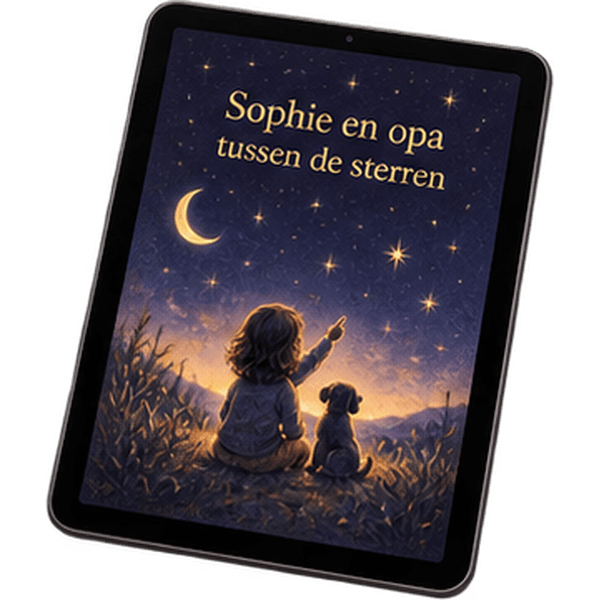
eBook
from €9.95
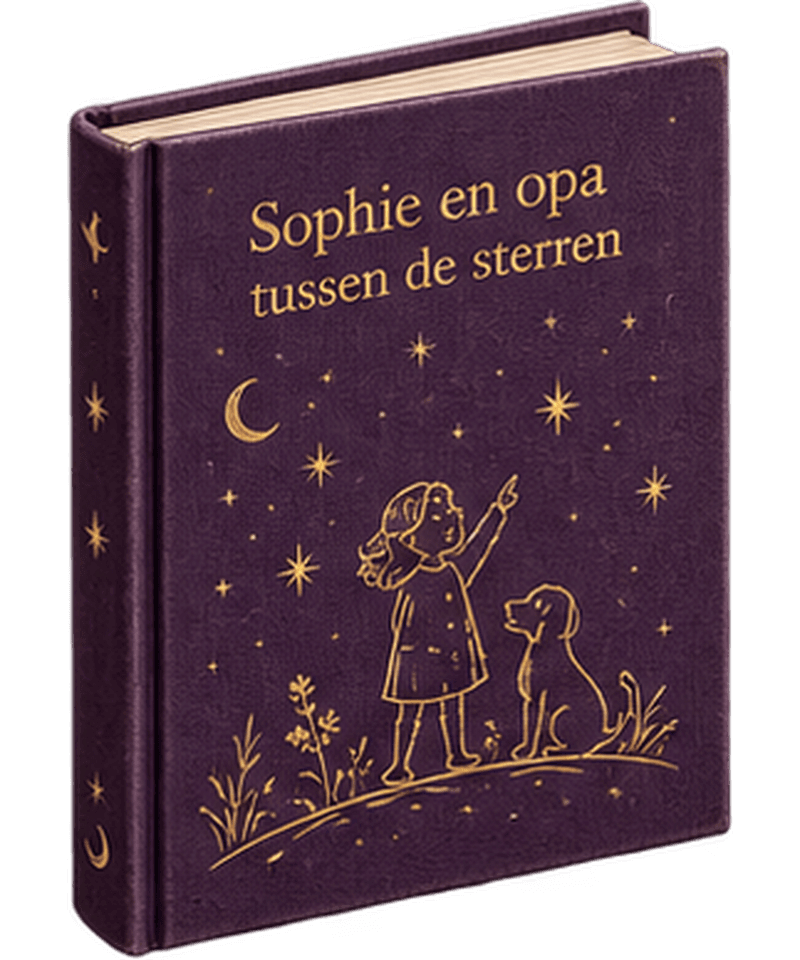
Hardcover
from €29.95
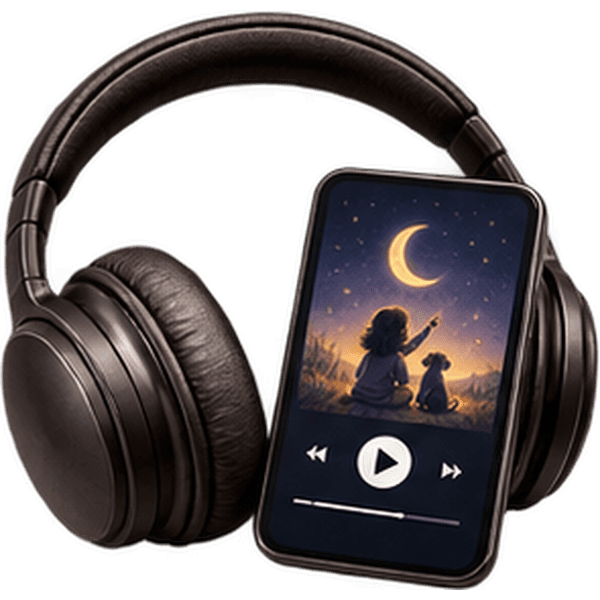
Audiobook
from €4.95
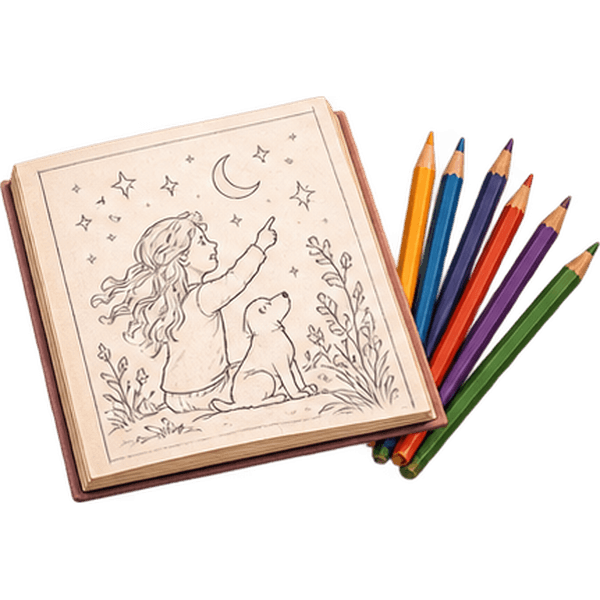
Colouring book
from €14.95

Story Movie
Coming soon
In short
- Price
- From €9.95 as an eBook, with a hardcover from €24.95
- Shipping
- €4.95 per order in the Netherlands; eBook and audiobook free
- Delivery
- 3 working days in the Netherlands, counted from the moment you approve the story; eBook and audiobook at once
- The book
- Hardcover of 21 × 21 cm, usually around thirty pages: fourteen scenes, each with a drawing
- Age
- Written for children of about 3 to 8; for a special occasion also about adults
- Characters
- Up to five, the main character included — with or without a photo
- Languages
- Dutch, German, French and English
- Photos
- Not required. A photo is deleted ninety days after you approve the drawing
- Approval
- Nothing goes to the printer before you have read and approved the story
Order in good time
Mothering Sunday falls in March in the UK, three weeks before Easter. A hardcover arrives a few working days after you approve the story; the eBook and the audiobook are there straight away.
Questions people often ask
Who plays the lead: Mum or the children?
Both. When you make it you choose one main character — often one of the children — and add Mum as a second character. If you want Mum to play the lead herself, choose her as the main character and the children as who else belongs in the story.
Can it also be for Grandma, or for a mother whose children are grown up?
Yes. Choose “for a special occasion” at the start instead of “for a child”. The story is then written for a grown-up reader, with the memories you share.
Can the children put something in it themselves?
There is a dedication on the first page, and you write it yourselves. At “Who is this story from?” you fill in the children’s names, so the book really comes from them.